
 EN
EN
 AR
AR
 BG
BG
 HR
HR
 NL
NL
 FR
FR
 DE
DE
 EL
EL
 HI
HI
 IT
IT
 KO
KO
 PL
PL
 PT
PT
 RO
RO
 RU
RU
 ES
ES
 TL
TL
 IW
IW
 ID
ID
 LV
LV
 LT
LT
 SR
SR
 SL
SL
 UK
UK
 VI
VI
 HU
HU
 MT
MT
 TH
TH
 TR
TR
 AF
AF
 MK
MK
 HY
HY
 AZ
AZ
 UR
UR
 BN
BN
 LA
LA
 NE
NE
 MY
MY
 KK
KK
 UZ
UZ

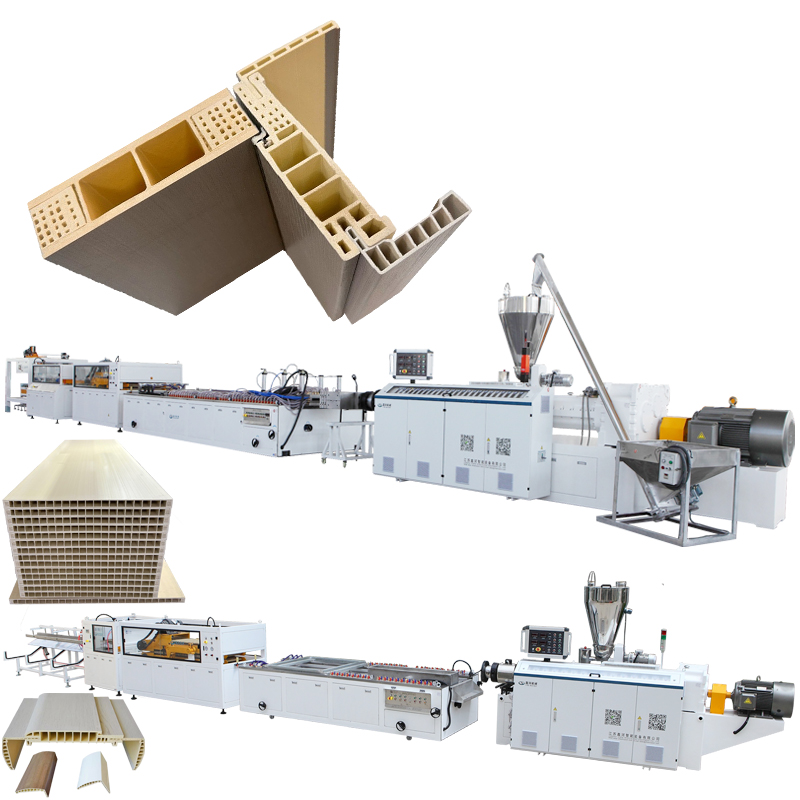
၂၀၂၆ ခုနှစ်တွင် ကမ္ဘာတစ်ဝှမ်းလုံးရှိ တံခါးပေါ်ပြားဈေးကွက်သည် ပြောင်းလဲသွားခဲ့သည်။ နှစ်များစွာကြာအောင် အောက်ခြေအမှုထမ်းများနှင့် ဖ distribution များအတွက် ထုတ်လုပ်သူများထံမှ အသင်းအဖွဲ့အလုပ်များကို တိုက်ရိုက်ဝယ်ယူရေးသည် ပိုမိုလွယ်ကူပြီး အမြတ်အစွန်းများစွာရရှိနိုင်ခဲ့သည်။ သို့သော် သုံးစွဲမှုများမှ ပိုမိုမြင့်မားလာသော ပို့ဆောင်စရိတ်များ၊ ထုတ်လုပ်မှုနည်းပညာများ တိုးတက်လာမှုများနှင့် ပစ္စည်းများ၏ စီးပွားရေးအခြေအနေများ ပြောင်းလဲနေမှုများကြောင့် ကိုယ်ပိုင်ထုတ်လုပ်မှုကို ရင်းနှီးမှုထည့်သွင်းရေးသည် ပိုမိုသင့်လျော်လာခဲ့သည်။ ကျွန်ုပ်တို့ Jiangsu Xinhe Intelligent Equipment Co., Ltd. သည် ကမ္ဘာတစ်ဝှမ်းလုံးရှိ ဖောက်သည်များအား ၎င်းတို့၏ လုပ်ငန်းများအတွက် အချိန်မှန်ကန်စွာ ပြောင်းလဲရေးကို ဆုံးဖြတ်ရေးတွင် အထောက်အကူပေးပါသည်။ အောက်ပါအချက် (၃) ချက်သည် အခုအခါ ကိုယ်ပိုင်တံခါးပေါ်ပြားများကို ထုတ်လုပ်ရေးသည် အဆင်သင်းပြီးသားထုတ်ကုန်များကို ဝယ်ယူရေးထက် ပိုမိုအမြတ်အစွန်းရရှိနိုင်ကြောင်း ရှင်းလေးစွာ ဖော်ပြပေးပါသည်။
ပင်လယ်ပို့ဆောင်ရေးနှင့် ပိုမိုမြင့်မားလာသော ပို့ဆောင်စရိတ်များနှင့် ပတ်သက်၍ မသေချာမှုများ
သင်္ဘောပို့ကုန်အတွက် ကုန်ပစ္စည်း ကုန်ကျစရိတ်ဟာ တော်တော်လေး ပြောင်းပြန်ဖြစ်နေပါပြီ။ ၂၀၂၆ မှာ ပင်လယ်သယ်ယူပို့ဆောင်ရေး ကုန်ကျစရိတ်တွေဟာ မတည်ငြိမ်ပြီး စျေးကြီးနေတုန်းပါ။ ဒေသများစွာမှာ ဆိပ်ကမ်းတွေ ပိတ်ဆို့နေဆဲပါ။ ဘူမိနိုင်ငံရေး ပဋိပက္ခများနှင့် မတည်ငြိမ်သော လောင်စာစရိတ်များကြောင့် ကုန်ထုတ်လုပ်ရေး ဗဟိုမှ ကုန်တင်ပို့သည့် ကုန်သေတ္တာတစ်ခု၏ ကုန်စည်ဈေးနှုန်း မြင့်တက်လာသည်။ အဓိက ဗဟိုချက်တစ်ခုမှ ပို့ဆောင်သည့် ပလက်ဖောင်းများ၏ တစ်ဘူးတည်းသည် အာမခံ၊ ခွင့်ပြုချက်နှင့် မြေပြင်အခြေစိုက် ပို့ဆောင်မှု အခွန်များ မပါဘဲ ဒေါ်လာ ၇၀၀၀ ကျော်ကို လွယ်ကူစွာ ကုန်ကျစေနိုင်ပြီး ဝယ်ယူသူများအတွက် ဝေးလံသော ဈေးကွက်များတွင် မခန့်မှန်းနိုင်သော မြေပြင် ပို့ဆောင်မှု နောက်ကျခြင်းသည် အခြားစျေးကြီးသော ပြဿနာတစ်ခုဖြစ်သည်။ လေးပတ်ကြာ သင်္ဘောပို့တဲ့ ကာလကို ၁၀ ပတ်အထိ လွယ်လွယ်နဲ့ ဆန့်နိုင်ပြီး ဆောက်လုပ်ရေး အစီအစဉ်တွေမှာ သိသိသာသာ နှောင့်နှေးစေပြီး ဒဏ်ခတ်မှုတွေ ဖြစ်စေပါတယ်။ သင့်ဒေသတွင်းမှာ (သို့) နီးစပ်ရာမှာ တံခါးပလက်ဖောင်းတွေကို ထုတ်လုပ်ခြင်းအားဖြင့် ဒီမမျှော်လင့်တဲ့ အန္တရာယ်တွေကို ရှောင်ရှားနိုင်ပါတယ်။ PVC ပေါင်းစပ်ပစ္စည်းများ သို့မဟုတ် WPC pellets တို့ကဲ့သို့သော ကုန်ကြမ်းများတွင် သိပ်သည်းမှု ပိုမြင့်မား၍ တစ်ယူနစ်ထုတ်လုပ်မှုအရ ပို့ဆောင်မှု ပိုသက်သာစေပြီး ထို့ကြောင့် ပို့ဆောင်မှုနှင့် သက်ဆိုင်သော အာမခံကုန်ကျစရိတ်ကို သိသိသာသာ လျှော့ချနိုင်သည်။ Jiangsu Xinhe Intelligent Equipment Co., Ltd မှာ အင်ဒိုနီးရှား၊ အီဂျစ်နဲ့ ကိုလံဘီယာက ဖောက်သည်တွေဟာ ဒေသတွင်း ထုတ်လုပ်ရေး အဆောက်အအုံတွေကို သုံးလာတာကြောင့်ပဲ သူတို့ရဲ့ စုစုပေါင်း ကုန်ကျစရိတ်တွေကို ၃၀-၄၀ ရာခိုင်နှုန်း လျှော့ချတာကို တွေ့ရှိခဲ့ပါတယ်။ ပို့ဆောင်မှုအပေါ် ထိန်းချုပ်မှုဟာလည်း အရေးပါပါတယ်။ ထုတ်လုပ်မှုဟာ ကိုယ့်စက်ရုံမှာ ဖြစ်တဲ့အခါ ကမ္ဘာတစ်ဝှမ်းမှာ ပို့ဆောင်ရေးလိုင်းကို စောင့်နေတာအစား ဘယ်အချိန် ထုတ်ပြီး ပို့ရမယ်ဆိုတာ သင် ဆုံးဖြတ်တာပါ။
တံခါးပေါ်ပြားများအတွက် နည်းပညာဆိုင်ရာ အတားအဆီးများကို overcome လုပ်နိုင်ခဲ့ပါသည်။ Xinhe မှ သတ္ထုမှ အဆုံးသတ်ထုတ်ကုန်အထိ နည်းပညာအထောက်အပံ့ကို ပေးဆောင်ပါသည်။
၅ နှစ်အကြာက တံခါးပေါ်ပေါက်အမျှင်ထုတ်လုပ်ရေးလိုင်းကို လည်ပတ်ရေးအတွက် အထူးပြုထားသော အင်ဂျင်နီယာများနှင့် စျေးကွက်တွင် ရောင်းဝယ်နိုင်သည့် ထုတ်ကုန်များကို ထုတ်လုပ်နိုင်ရန်အတွက် ရှည်လျားသော စမ်းသပ်မှုနှင့် အမှားအမှန်ပြုလုပ်မှုကာလ လိုအပ်ခဲ့ပါသည်။ ယနေ့ခေတ်တွင် တံခါးပေါ်ပေါက်အမျှင်ထုတ်လုပ်ရေးလိုင်းများသည် အဆင့်မြင့်တွေ့ရှိရပြီး အထူးပြုထားသော အလုပ်သမားအင်အားကို သ significantly လျော့နည်းစေကာ ပိုမိုယုံကြည်စိတ်ချရစွာ လည်ပတ်နိုင်ပါသည်။ ထို့အပ alongside အသေးစိတ်ဖော်ပြထားသော စာရွက်စာတမ်းများနှင့် အကူအညီများကိုလည်း ရရှိနိုင်ပါသည်။ ကျွန်ုပ်တို့ Jiangsu Xinhe Intelligent Equipment Co., Ltd. သည် သင့်စီမံကိန်း၏ အဆင့်တိုင်းအတွက် အပြည့်အဝသော နည်းပညာအကူအညီများကို ပေးဆောင်ပါသည်။ သင့်ဒေသတွင် ရရှိနိုင်သော အခြေခံပစ္စည်းများ (PVC စံသတ်မှတ်ချက်၊ WPC သို့မဟုတ် ပြောင်းလဲထားသော ပလပ်စတစ်ပေါင်းစပ်မှုများ) အတွက် သင့်လျော်သော ဖော်မူလာများကို ဖန်တီးရေးတွင် ကူညီပေးပါသည်။ အမျှင်ထုတ်လုပ်ရေးစက်နှင့် ပိုက်ကြေးများကို အသေးစိတ်ဒီဇိုင်းရေးဆွဲခြင်းနှင့် ရွေးချယ်ခြင်းတွင် သင့်လျော်သော ပိုက်ကြေးဖွဲ့စည်းမှုများကို အကူအညီပေးပါသည်။ အမျှင်ထုတ်လုပ်ရေး ဒိုင်းအတွက် အတိအကျသော အပူခါးမှုများကို ပေးပေးပါသည်။ ထိုအပူခါးမှုများဖြင့် အတိအကျသော နံရံအထူများနှင့် အလွန်ကောင်းမွန်သော မျက်နှာပုံများကို ရရှိနိုင်ပါသည်။ သင့်ထုတ်လုပ်မှုနေရာတွင် သင့်ဝန်ထမ်းများကို အပြည့်အဝလေ့ကျင်ပေးပါသည်။ အပ်လုပ်သော နည်းပညာဆိုင်ရာ ပြဿနာများကို ဗီဒီယိုချိတ်ဆက်မှုများဖြင့် သို့မဟုတ် တိုက်ရိုက်ဒေတာချိတ်ဆက်မှုများဖြင့် အကူအညီပေးပါသည်။ ထို့ကြောင့် အမျှင်ထုတ်လုပ်ရေးအတွေ့အကြုံမရှိသော စီးပွားရေးလုပ်ငန်းတစ်ခုသည် ထုတ်လုပ်ရေးလိုင်းကို ဝယ်ယူပြီးနောက် အပိုင်းအစများကို ရောင်းဝယ်နိုင်သည့် တံခါးပေါ်ပေါက်များကို အပတ်အနည်းငယ်အတွင်း ထုတ်လုပ်နိုင်ပါသည်။ ထို့အပါတ်တွင် အပိုင်းအစများကို အဆင်သင့်ဖြစ်ပြီးသော တံခါးပေါ်ပေါက်များအဖြစ် ဝယ်ယူခြင်းသည် ပေးသောသူ၏ အရည်အသွေးနှင့် ထုတ်လုပ်မှုအချိန်ဇယားပေါ်တွင် မှီခိုရေးသော အခြေအနေဖြစ်ပါသည်။ ထို့ကြောင့် ပေးသောသူက စျေးနှုန်းများကို မြင့်တက်စေလိုက်ပါက သင့်တွင် လုပ်ဆောင်နိုင်သည့် အရှုပ်အထွေးများ မရှိပါသည်။ သင့်ကိုယ်ပိုင် ထုတ်လုပ်မှုလိုင်းဖြင့် သင်သည် ဖော်မူလာများမှ အရောင်၊ အရွယ်အစားနှင့် အရည်အသွေးအထိ နောက်ဆုံးထုတ်ကုန်၏ အားလုံးကို ထိန်းချုပ်နိုင်ပါသည်။ တံခါးပေါ်ပေါက်ထုတ်လုပ်မှုနှင့် ပတ်သက်သော နည်းပညာဆိုင်ရာ အန္တရာယ်များကို အရင်ပဲ လျော့နည်းစေပါသည်။ ထို့ကြောင့် သင်သည် ရင်းနှီးမှုထည့်ဝင်လိုသည် သို့မဟုတ် မထည့်ဝင်လိုသည်ကို ဆုံးဖြတ်ရုံသာ လုပ်ဆောင်ရန် လိုအပ်ပါသည်။
ကုန်ကုန်စည်များ၏ စျေးနှုန်းမြင့်တက်လာခြင်းကြောင့် အမြတ်အစွန်းများ ကျဆင်းလာပါသည်။ ဈေးကွက်ကို ပိုမိုထိရောက်စွာ ဖမ်းစားနိုင်ရန်မှာ ထုတ်လုပ်မှုပမာဏကို တိုးမှုသာလျှင် ဖြစ်နိုင်ပါသည်။
ပေါက်ကွဲမှုအိုင်ဆိုပေါ် (PVC) ရီဆင်၊ ကယ်လ်စီယမ်ကာဘွနိတ်နှင့် တံခါးပေါ်မျက်နှာပြင်ထုတ်လုပ်ရေးအတွက် အဖွဲ့စုများကဲ့သို့သော သတ္တုမှုန်များ၏ ဈေးနှုန်းများသည် ဈေးကွက်တွင် တဖြည်းဖြည်းချင်း တက်လာနေပါသည်။ အဆုံးသတ်ပြီးသော တံခါးပေါ်မျက်နှာပြင်များကို ဝယ်ယူသည့် ဝယ်သူများသည် ဈေးနှုန်းတက်လာမှုကို တိုက်ရိုက်စားသုံးရမည် သို့မဟုတ် အရည်အသွေးနှင့် ပို့ဆောင်ရေးအချိန်နှင့် ပတ်သက်သည့် အပိုသော စွန့်စားမှုများကို ပါဝင်စေနိုင်သည့် အစားထိုး ပေးသွေးသူများကို ရှာဖွေရမည်ဖြစ်ပါသည်။ တံခါးပေါ်မျက်နှာပြင်များကို ကိုယ်တိုင်ထုတ်လုပ်ရန် ရွေးချယ်သည့် ထုတ်လုပ်သူများသည် ဤဈေးနှုန်းတက်လာမှုများကို ရင်ဆိုင်ရမည်ဖြစ်သော်လည်း ထိုဈေးနှုန်းများကို ဖြေရှင်းရာတွင် ပိုမိုမှုန်ညားမှုရှိပါသည်။ ထိုသူများသည် စုံထောက်ဖြစ်စေရန် ပိုမိုစျေးသက်သာသည့် ဖြည့်စွက်ပစ္စည်းများကို အသုံးပြုရန် သုံးစွဲမှုပုံစံများကို ပြောင်းလဲနိုင်ပါသည်။ ထုတ်လုပ်မှုထွက်ကုန်ကို တိုးမှုန်ညားစေရန် ပစ္စည်းများကို အများဆုံးအသုံးပြုခြင်းဖြင့် တစ်ခုလျှင် သတ်မှတ်ထားသည့် စုံထောက်စုံများကို ဖျောက်ပေးနိုင်ပါသည်။ စွမ်းဆောင်ရည် ၈၀ ရှိသည့် ထုတ်လုပ်မှုလိုင်းတစ်ခုသည် စွမ်းဆောင်ရည် ၄၀ ရှိသည့် ထုတ်လုပ်မှုလိုင်းတစ်ခုထက် တစ်ခုလျှင် ထုတ်လုပ်မှုအပေါ်ယံစုံထောက်စုံများ ပိုမိုနည်းပါသည်။ တစ်ခုလျှင် အများနည်းသည့် အမြတ်နှုန်းဖြင့် ပိုမိုများပါသည့် အရုဏ်များကို ရောင်းချခြင်းဖြင့် စျေးနှုန်းများကို ပိုမိုယှဉ်ပေးနိုင်စေရန်နှင့် ပိုမိုမြန်ဆန်သည့် ပို့ဆောင်ရေးများဖြင့် ဒေသတွင်း ဈေးကွက်အစိတ်အပိုင်းကို တိုးချဲ့ရန် စုစုပေါင်း ရောင်းအားတန်ဖိုးကို သိသိသာသာ တိုးမှုန်ညားစေနိုင်ပါသည်။ ပေးသွေးသူများထံမှ အဆုံးသတ်ပြီးသော တံခါးပေါ်မျက်နှာပြင်များကို ဝယ်ယူသည့်အခါ တစ်ခုလျှင် ရောင်းချမှုတိုင်းတွင် ထုတ်လုပ်သူ၏ အမြတ်နှုန်း၊ ပို့ဆောင်ရေးနှင့် သိုလှောင်ရေးစုံထောက်စုံများနှင့် ပတ်သက်သည့် အပိုစုံထောက်စုံများ ပါဝင်ပါသည်။ သို့သော် ဝယ်ယူပြီး ထုတ်လုပ်မှုလိုင်းကို ကိုယ်ပိုင်ပိုင်ဆိုင်ရေးဆုံးဖြတ်ခြင်းသည် ဤစုံထောက်စုံများကို နှစ်များစွာကြာမှုအထိ အသုံးဝင်သည့် အမြတ်ရှိသည့် ရင်းနှီးမှုတစ်ခုအဖြစ် ပြောင်းလဲပေးနိုင်ပါသည်။ ကျွန်ုပ်တို့ Jiangsu Xinhe Intelligent Equipment Co., Ltd. တွင် တူရကီ၊ မက်က်ဆီကိုနှင့် ဆော်ဒီအာရေးဘီယာနိုင်ငံရှိ ကုမ္ပဏီများသည် ကိုယ်ပိုင်ထုတ်လုပ်မှုသို့ အောင်မြင်စွာ ပြောင်းလဲနေကြကြောင်း မြင်တွေ့ခဲ့ပါသည်။ ယနေ့ခေတ်တွင် ၎င်းတို့သည် အဆုံးသတ်ပြီးသော တံခါးပေါ်မျက်နှာပြင်များကို အင်ပိုတ်လုပ်နေသည့် ပြိုင်ဘက်များထက် တစ်ခုလျှင် စုံထောက်စုံနှုန်းနှင့် ပြန်လည်ထုတ်လုပ်ရန် အချိန်ကုန်သက်သာမှုများကို ရရှိထားပါသည်။ ၂၀၂၆ ခုနှစ်တွင် မေးခွန်းမှာ သင်သည် အရေးကြီးသည့် အဆောက်အဦးပစ္စည်းတစ်ခုအတွက် ကိုယ်ပိုင်ထုတ်လုပ်မှုစွမ်းရည်ကို မရှိရှိနေရန် ဘယ်လောက်အထိ စွမ်းရည်ရှိပါသနည်း။
အကြောင်းအရာများ
- ပင်လယ်ပို့ဆောင်ရေးနှင့် ပိုမိုမြင့်မားလာသော ပို့ဆောင်စရိတ်များနှင့် ပတ်သက်၍ မသေချာမှုများ
- တံခါးပေါ်ပြားများအတွက် နည်းပညာဆိုင်ရာ အတားအဆီးများကို overcome လုပ်နိုင်ခဲ့ပါသည်။ Xinhe မှ သတ္ထုမှ အဆုံးသတ်ထုတ်ကုန်အထိ နည်းပညာအထောက်အပံ့ကို ပေးဆောင်ပါသည်။
- ကုန်ကုန်စည်များ၏ စျေးနှုန်းမြင့်တက်လာခြင်းကြောင့် အမြတ်အစွန်းများ ကျဆင်းလာပါသည်။ ဈေးကွက်ကို ပိုမိုထိရောက်စွာ ဖမ်းစားနိုင်ရန်မှာ ထုတ်လုပ်မှုပမာဏကို တိုးမှုသာလျှင် ဖြစ်နိုင်ပါသည်။